Name & Etymology
Why Kundapura is called Kundapura.
The name Kundapura (also written Kundapur, and historically Coondapoor) has more than one traditional explanation, but all of them root the town firmly in its temples, its language and its land. The element pura is the common Sanskrit-Kannada word for "town" or "city"; the debate is over what kunda means.
The Kundeshwara tradition
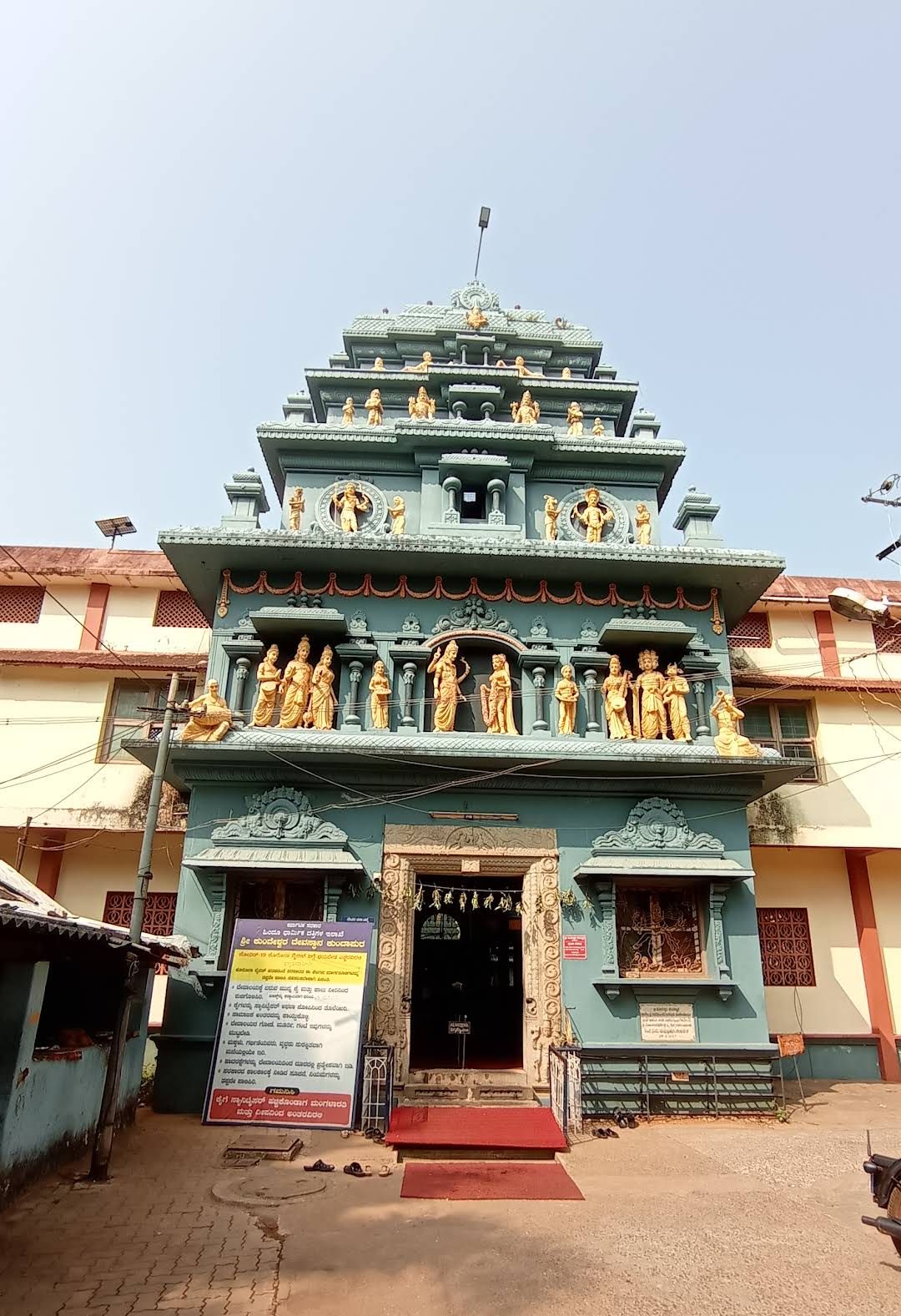
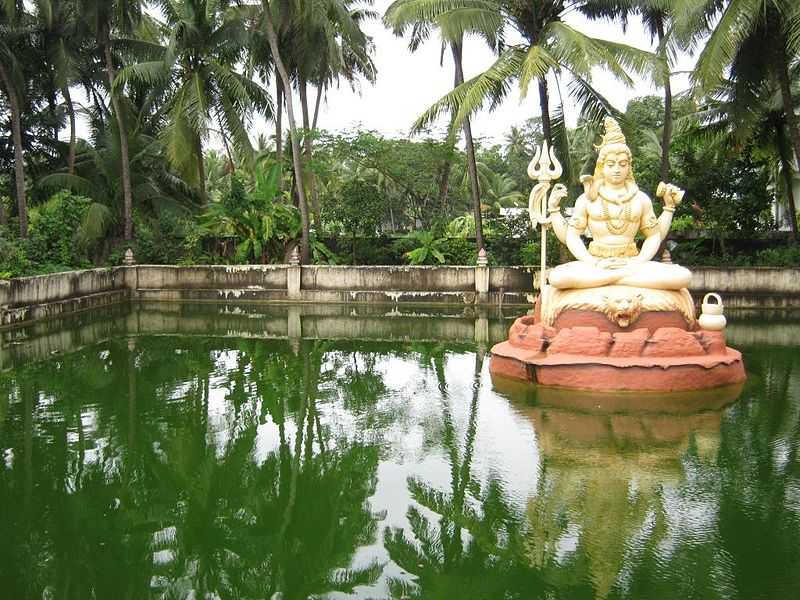
The most widely accepted explanation derives the name from the Sri Kundeshwara temple, an old shrine dedicated to Lord Shiva around which the historic town grew. By tradition the temple was built by the Alupa king Kundavarma, and in this reading Kunda-pura simply means "the town of Kundeshwara". The temple, with its teal-and-gold gopura and sacred pond, remains the spiritual landmark of the old town and the anchor of this etymology.
The jasmine explanation: "Land of Jasmine"
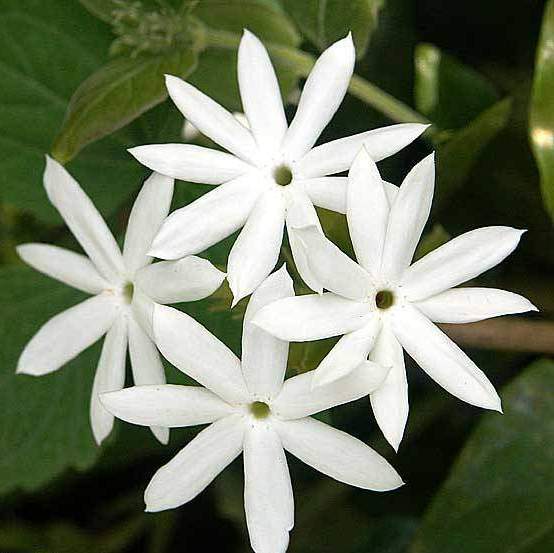
A second, much-loved explanation connects kunda to a variety of jasmine (kunda in Sanskrit, the downy or star jasmine) once cultivated abundantly in the area. In this reading Kundapura is the "land of jasmine", and the white, fragrant flower has become an affectionate emblem of the town. Jasmine remains woven into coastal life, strung into garlands for temple deities, worn in the hair, and offered at the very shrines that give the region its character.

The Tulu "pillar" reading
In the local Tulu language, the word kunda can also mean "pillar". Some accounts link the name to the tall pillars on which traditional coastal houses and granaries were once raised against flood and damp, making Kundapura, in this folk reading, "the place of pillars". While evocative of the region's vernacular architecture, this account is generally treated as secondary to the temple and jasmine derivations.
Coondapoor & colonial spellings
Under British administration the port appears in records as Coondapoor, an anglicised spelling that persisted into the early twentieth century on maps, customs ledgers and railway documents. The modern official spelling is Kundapura, while Kundapur remains common in everyday speech and on signage. The Konkan Railway station carries the code KUDA.


Basrur-Kundapura
Because the medieval port of Basrur and the town of Kundapura were so closely linked, older sources sometimes treat them as a single trading centre, occasionally hyphenated as Basrur-Kundapura. The two names together trace the arc of the coast's commercial history.
References & notes
- Compiled guides: "Kundapura, Land of Jasmine" and "Kundapura, The Pearl of Coastal Karnataka".
- Place-name studies of coastal Karnataka; South Canara District Gazetteer (historical).
Photographs were contributed by residents and visitors and are used for cultural and educational reference.